Applied vs Printed: How Dial Markers Affect Quality
Printed, Applied or Painted
How the hour markers get on the dial determines the watch's visual quality and price point. Here are the three main methods.
Printed Indices
Markers are pad-printed directly onto the dial surface — ink transferred through a silicone pad. The most affordable method.
- Appearance: flat, two-dimensional, clean
- Cost: lowest — standard on budget watches
- Durability: good — ink bonds well to dial surfaces
Applied Indices
Physical markers made from metal (usually steel or gold) that are glued or riveted onto the dial. The premium method.
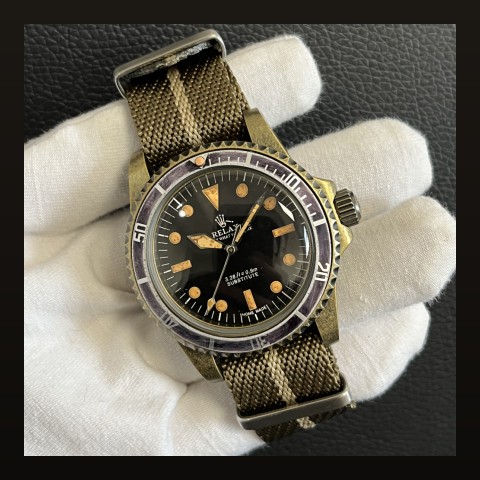
- Appearance: three-dimensional, catches light from multiple angles, adds depth
- Cost: higher — each marker is individually manufactured and placed
- Durability: excellent — metal markers outlast printed ones
Painted / Lacquered
Thicker paint or lacquer applied in multiple layers — between printing and applied in quality. Common on vintage-style dials.
- Appearance: slightly raised, warm texture
- Cost: moderate
- Durability: good — but can chip if impacted
Why It Matters
Applied indices are the single biggest visual quality indicator. Two watches with identical specs look completely different depending on whether markers are printed or applied. This is where price differences become visible.
Frequently Asked Questions
Can I tell from photos?
Yes — applied indices cast shadows and reflect light differently. Printed indices lie flat.
Which is more legible?
Applied indices with lume filling are generally more legible — the physical height improves light capture.
Do our dials use applied or printed?
Check individual listings — most use printed indices for affordability; premium builds use applied.