The 1969 Race: How Zenith, Breitling, and Seiko Simultaneously Created the First Automatic Chronograph
The Race to Create the First Automatic Chronograph: Zenith, Heuer, and Seiko
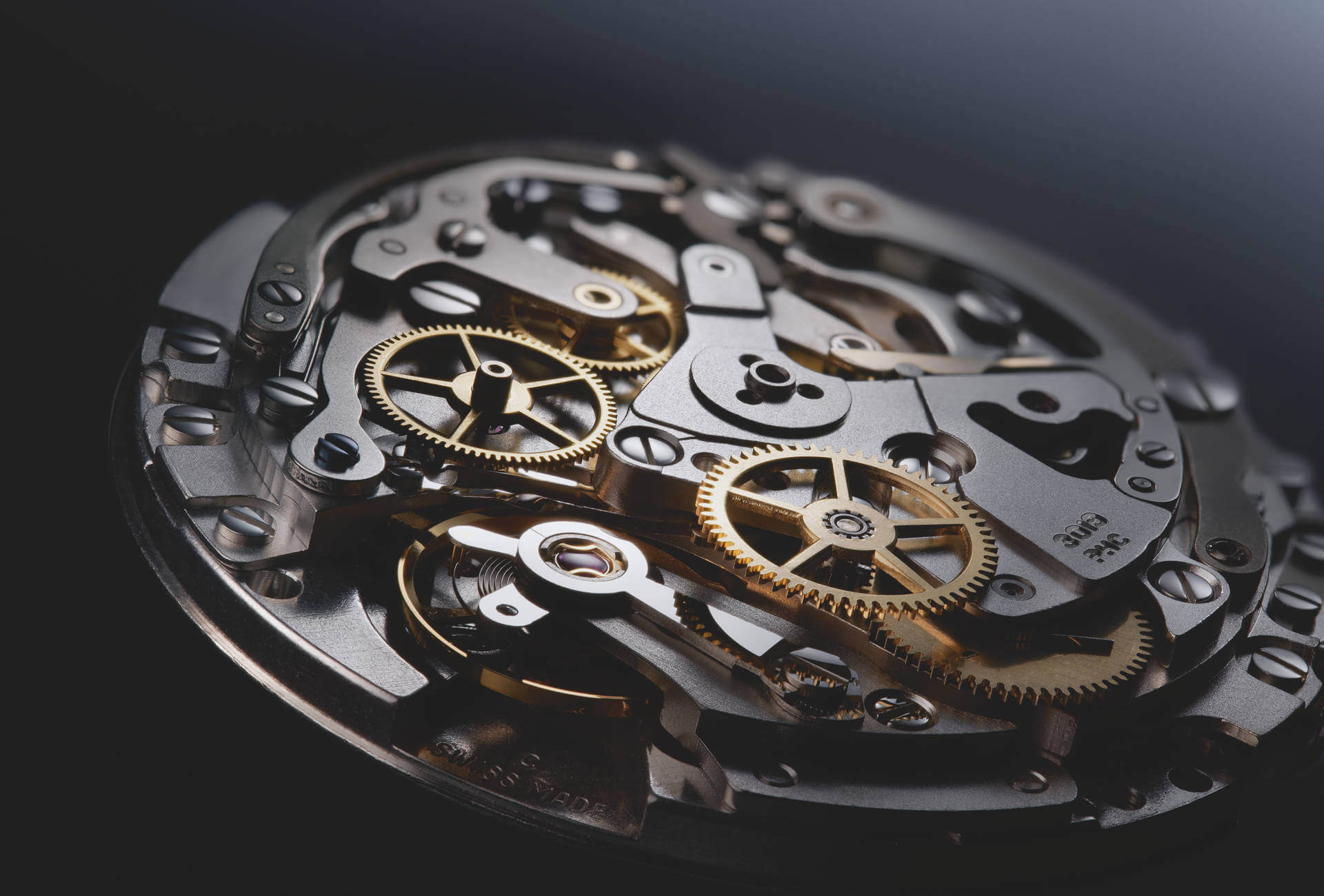
1969 was a watershed year in watchmaking history. Three independent groups — working simultaneously but unaware of each other's progress — unveiled the world's first automatic chronograph movements. The Zenith El Primero, the Breitling/Hamilton/Heuer Calibre 11, and the Seiko Calibre 6139 each represented a different philosophy of automatic chronograph design, and their rivalry reshaped the industry.
The Three Contenders
| Movement | Zenith El Primero | Calibre 11 Chronomatic | Seiko Calibre 6139 |
|---|---|---|---|
| Launch Date | January 10, 1969 | March 3, 1969 | May 1969 |
| Frequency | 36,000 vph (5Hz) | 19,800 vph (2.75Hz) | 21,600 vph (3Hz) |
| Thickness | 6.5mm | 7.7mm | 7.9mm |
| Components | 282 | 198 | 185 |
| Power Reserve | 50+ hours | 42 hours | 45 hours |
| Clutch Type | Lateral | Lateral | Vertical |
| Winding | Integrated rotor | Microrotor | Central rotor |
| Countryside | Switzerland | Switzerland | Japan |
Zenith El Primero: The High-Frequency Pioneer
Zenith's approach was defined by ambition. The El Primero operated at 36,000 vibrations per hour — significantly higher than any competitor. This high frequency enabled measurement precision to 1/10th of a second, a feat no other movement could match at the time.
The development required solving two critical engineering challenges: the introduction of the Clinergic 21 escapement (with 21 teeth instead of 15) enabled higher frequencies, and a specially developed dry lubricant addressed the problem of oil spray at high oscillation speeds.
When unveiled on January 10, 1969, the El Primero was the thinnest at just 6.5mm, with the most components (282) and the longest power reserve (50+ hours). It featured integrated automatic winding, a column-wheel chronograph mechanism, and could measure time to 1/10th of a second.
Breitling Calibre 11 Chronomatic: The Modular Approach
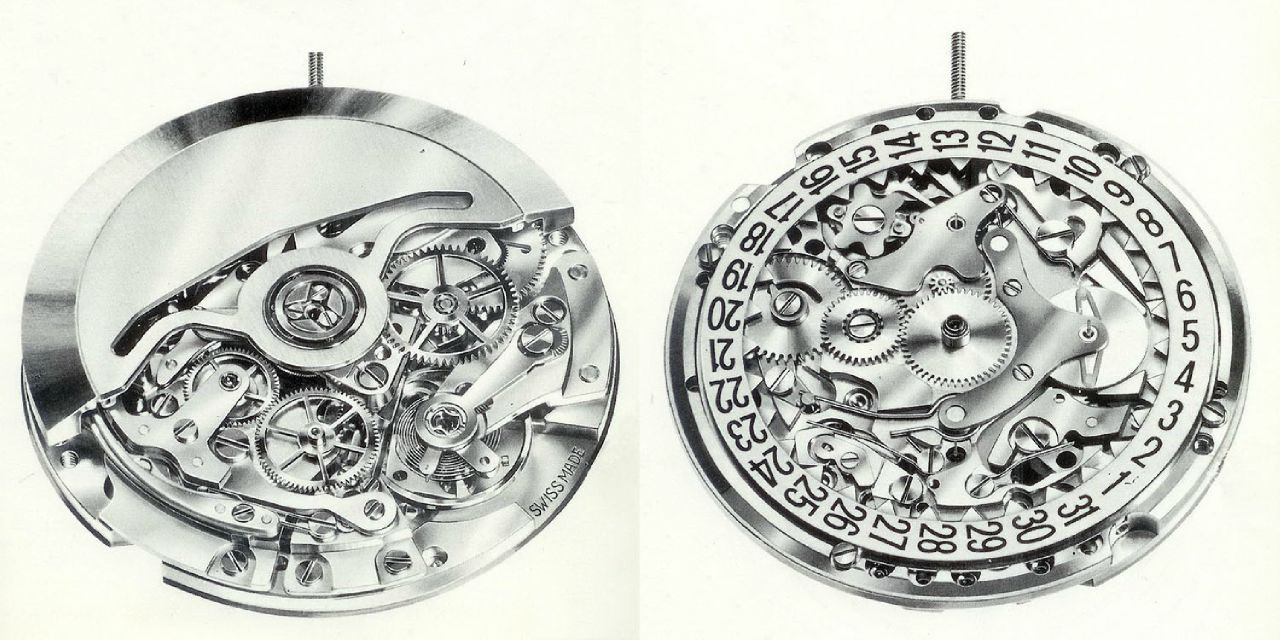
The Calibre 11 represented a consortium approach — Breitling, Hamilton-Büren, Dubois-Dépraz, and Heuer-Leonidas collaborated to create an automatic chronograph. Unlike Zenith's integrated design, the Calibre 11 used a modular construction, combining a Buren micro-rotor automatic movement with a Dubois-Dépraz chronograph module.
At 7.7mm thick, it was 1.2mm thicker than the El Primero. Its operating frequency of 19,800 vph (2.75Hz) was significantly lower, limiting precision to 1/5th of a second. However, the microrotor winding system was innovative, and the Calibre 11's commercial success — particularly in the Heuer Autavia and Carrera — cemented its place in history.
The consortium had an advantage: secrecy. While Zenith had been developing its movement openly since 1963, the Calibre 11 team worked in relative obscurity, allowing them to time their announcement to coincide with Baselworld 1969.
Seiko Calibre 6139: The Modern Visionary
Seiko's approach was arguably the most forward-thinking. The Calibre 6139 was the world's first automatic chronograph with both a column wheel AND vertical clutch — technologies that wouldn't become industry standard for decades.
At 27mm in diameter, it was the most compact of the three movements. The vertical clutch design eliminated the "jump" sometimes seen when starting a lateral-clutch chronograph, providing smoother operation. Seiko's vision was more modern, cost-effective, and focused on industrialization.
Who Was Really First?
The question of who was "first" remains debated. Zenith claims January 10, 1969 as the El Primero's launch date. The Breitling consortium announced the Calibre 11 on March 3, 1969 — but some argue development was complete earlier. Seiko's 6139 was released in May 1969.
What's indisputable is that each movement represented a genuinely different technical solution to the same problem. The 1969 trilogy of inaugural automatic chronographs resulted in highly different takes on the concept, all with true mechanical interest.
Legacy in Modern Watchmaking
All three movements left lasting legacies:
- Zenith El Primero: Still produced today in the calibre 3600 family, powering the Chronomaster Sport and Chronomaster Original. Also modified for use in Rolex's first automatic Daytona (1988-2000).
- Breitling Calibre 11: Evolved into the B01, which became one of the most widely used chronograph calibres in the industry, powering Breitling, Tudor, and other brands.
- Seiko Calibre 6139: Inspired Seiko's modern 8R series chronograph calibres and proved the viability of vertical clutch systems that are now used by virtually every major manufacturer.
FAQ
Which was the first automatic chronograph movement?
Zenith claims the El Primero was first, launched on January 10, 1969. The Breitling consortium announced the Calibre 11 on March 3, 1969, and Seiko released the Calibre 6139 in May 1969. However, each had been in development independently, and exact "first" status depends on whether you count announcements or actual deliveries.
Why was the El Primero considered superior to the Calibre 11?
The El Primero operated at a higher frequency (36,000 vs 19,800 vph), was thinner (6.5mm vs 7.7mm), had more power reserve (50+ vs 42 hours), and could measure to 1/10th of a second versus 1/5th. The integrated design was also considered more refined than the Calibre 11's modular construction.
Did Rolex use the El Primero or Calibre 11?
Rolex used a modified version of the Zenith El Primero as the basis for their first automatic Daytona (ref. 16520, 1988-2000). The movement was designated calibre 4030, with approximately 200 modifications including reduced frequency (28,800 vph), removal of the date mechanism, and Rolex's proprietary Microstella regulation.
Source: According to Monochrome Watches.
Learn more about chronograph movements in our complete chronograph buying guide.