Off-Camera Flash Techniques for Professional Watch Photography
Why Off-Camera Flash Transforms Watch Photography
The built-in flash on any camera—whether smartphone or DSLR—creates harsh, direct light that produces unflattering hotspots and blown highlights on polished watch surfaces. Off-camera flash (OCF) solves this fundamental problem by allowing photographers to position light sources independently, creating the soft, directional illumination that flatters timepieces.
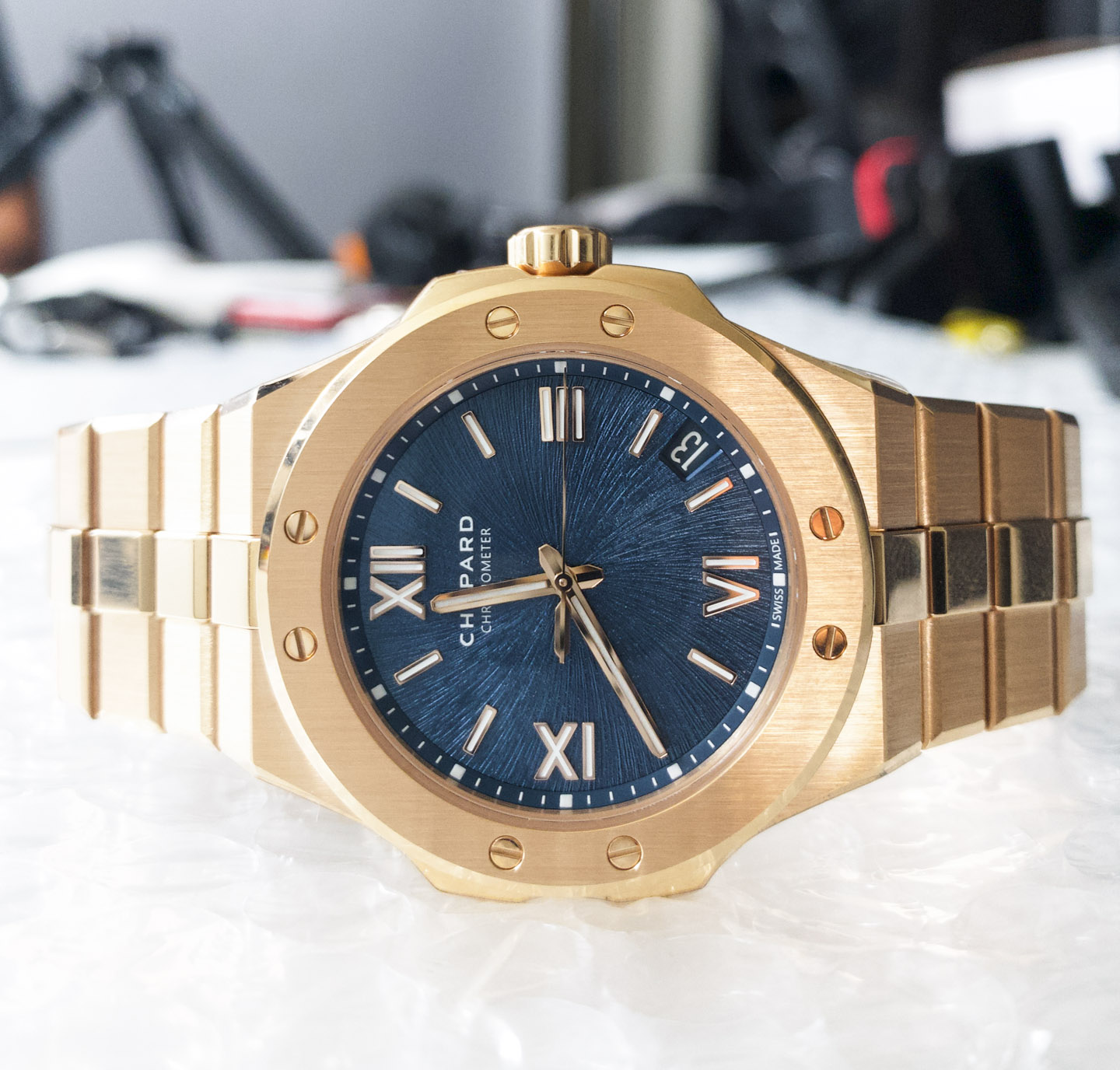
As Ariel Adams of aBlogtoWatch explains: "Professional photographers refer to this as 'light shaping,' because it isn't just a matter of having enough light, but having the right type of light and knowing what to do with it." This principle separates amateur snapshots from professional-quality watch images.
Understanding Light Behavior for Watch Photography
Light behaves like water spraying from a hose: concentrated and intense near the source, then spreading and softening as distance increases. This physical property is fundamental to off-camera flash technique. By moving the flash further from the subject, photographers achieve softer, more flattering illumination.
Additionally, light bounces off surfaces—most effectively off light-colored ones. This property enables photographers to create indirect lighting by bouncing flash output off walls, ceilings, or reflectors before it reaches the watch.
Modern Off-Camera Flash Systems
Today's off-camera flash options range from professional strobes to compact, smartphone-compatible units. The Profoto C1 Plus represents a new category of portable, Bluetooth-enabled flash units designed specifically for smartphone photography while maintaining professional-grade capabilities.
| Feature | Built-in Flash | Budget OCF | Professional OCF |
|---|---|---|---|
| Positioning flexibility | Fixed to camera | Limited | Full freedom |
| Light quality | Harsh, direct | Moderate | Soft, controllable |
| Power output | Low | Medium | High, adjustable |
| Color temperature control | None | Limited | Full control |
| Price range | Included | $50-150 | $200-2,000+ |
The Art of Light Bouncing
Light bouncing is perhaps the most effective technique for watch photography. By directing your flash toward a white wall or ceiling rather than directly at the watch, the reflected light becomes softer and more diffuse. Adams compares this to playing billiards: "You need to imagine how light might bounce off of one surface in order to hit something else."
When bouncing light, the reflecting surface becomes your actual light source. A white wall produces neutral illumination, while colored surfaces will cast their hue onto your watch. Always choose white or very light-colored surfaces for the most accurate color rendering.
Diffusion vs. Bouncing
Both techniques soften light, but they work differently. Diffusion passes light through a semi-transparent material (like the Profoto Clic Dome or simple baking paper), scattering photons evenly. Bouncing redirects light off surfaces, creating indirect illumination. Professional photographers often combine both techniques for optimal results.

Color Temperature Management
Light color profoundly affects watch photography. Warmer tones (orange/yellow) can distort dial colors, while cooler tones (blue) may create unnatural appearances. For accurate watch photography, aim for neutral white light between 5,500K-6,000K.
Advanced flash systems allow color temperature adjustment, enabling photographers to match ambient lighting conditions or create specific mood effects. This level of control is particularly valuable when shooting watches with complex dials featuring multiple colors and textures.
Multi-Light Setups for Complex Watches
For watches with highly reflective surfaces or complex dial designs, multiple off-camera flash units may be necessary. Professional setups often include:
- Key light: Primary illumination source, typically positioned 45 degrees to the side
- Fill light: Secondary source that reduces shadow contrast
- Background light: Separates the watch from the background
- Accent light: Highlights specific details like crown engravings or dial textures
Frequently Asked Questions
Do I need expensive flash equipment for good watch photos?
No. While professional strobes offer maximum control, even a $50 portable LED panel with diffusion can dramatically improve watch photography compared to built-in camera flash. The key is positioning the light source off-camera and using diffusion or bouncing techniques.
How do I prevent reflections on sapphire crystals?
Position your light source at angles that don't reflect directly into the camera lens. Use circular polarizing filters (available for smartphones) to reduce glare. Bouncing light off ceilings or walls creates illumination angles that minimize crystal reflections while maintaining dial visibility.
Can I use continuous lighting instead of flash for watches?
Yes, continuous LED lighting is often preferred for watch photography because it allows you to see exactly how light falls on the watch in real-time. This makes it easier to adjust positioning and achieve the desired result. Many professional watch photographers prefer continuous lighting for product shots.
Conclusion
Off-camera flash techniques represent the most significant upgrade available to watch photographers seeking professional-quality results. By understanding light behavior, mastering bouncing and diffusion techniques, and investing in appropriate equipment, photographers can dramatically improve their watch images regardless of budget constraints.
Sources: aBlogtoWatch - Profoto C1 Plus Guide, Worn & Wound - Watch Photography 101
Related: Flash Photography Fundamentals | Studio Lighting Configuration Guide