Parmigiani Fleurier's PF777 Movement: A Case Study in Purpose-Built Skeleton Watch Innovation
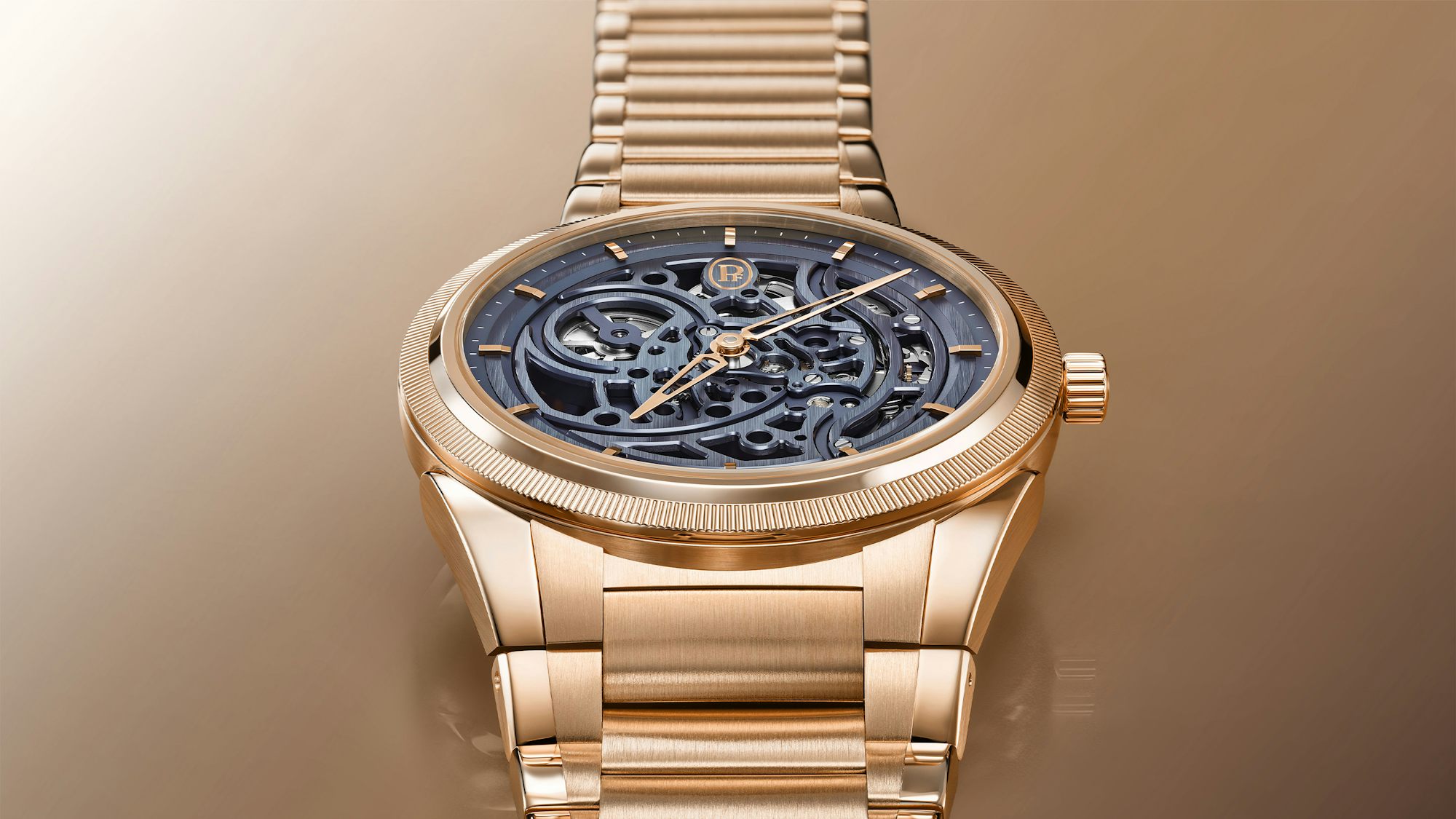
The watchmaking world is no stranger to skeletonized timepieces, but few brands have approached the concept with the engineering discipline demonstrated by Parmigiani Fleurier. With the debut of the Tonda PF Skeleton in Milano Blue — now available in rose gold — the Swiss manufacture has showcased what happens when a movement is purpose-built for skeletonization rather than simply stripped down after the fact.
The PF777: Engineered from First Principles
At the heart of the Tonda PF Skeleton lies the in-house PF777 automatic caliber, a movement that represents a fundamentally different approach to skeleton watch design. According to Hodinkee, unlike many movements that find their way into skeletonized watches, the PF777 was "purpose-built and designed from first principles with skeletonization in mind." This distinction matters enormously. Most skeleton watches take an existing caliber and remove material, which often compromises legibility and structural integrity. Parmigiani's approach reverses the process entirely.
The PF777 features a blend of polished, satin-finished, and sandblasted surfaces that keep the movement feeling contemporary while maintaining practical readability. At 30.6mm in diameter and just 3.9mm thick, the caliber delivers 60 hours of power reserve from a single barrel while operating at 28,800 vibrations per hour with 29 jewels.
Patent-Worthy Design Philosophy
What makes the PF777 technically noteworthy extends beyond its specifications. The movement's architecture specifically addresses the common pitfalls of skeletonization: reduced legibility and excessive transparency that allows the wearer's wrist to dominate the dial. By engineering the bridges and plates from the outset with openwork patterns, Parmigiani achieved a balance between aesthetic transparency and practical time-reading — a challenge that has plagued skeleton watch design for decades.
| Specification | Detail |
|---|---|
| Caliber | PF777 (In-House) |
| Diameter | 30.6mm |
| Thickness | 3.9mm |
| Power Reserve | 60 Hours |
| Frequency | 28,800 vph |
| Jewels | 29 |
Rose Gold Integration
The latest iteration pairs the Milano Blue skeleton dial and movement — previously exclusive to platinum — with a 40mm rose gold case and integrated bracelet. At 8.5mm thick with 100 meters of water resistance, the watch maintains the Tonda PF's reputation for comfortable, elegant proportions. The limited edition of 30 pieces is priced at $117,100.
Industry Implications
Parmigiani's approach signals a broader trend in haute horlogerie: the move from decorative skeletonization to functionally integrated openwork design. As brands compete on technical merit rather than mere visual spectacle, purpose-built skeleton movements like the PF777 may set new standards for what collectors expect from transparent dial watches.
Frequently Asked Questions
What makes the PF777 different from other skeleton movements?
The PF777 was designed from the ground up for skeletonization, rather than being an existing movement stripped of material. This allows for better legibility, structural integrity, and a more refined aesthetic balance.
How does the Tonda PF Skeleton compare to similar watches?
At 40mm by 8.5mm, it is thinner and more wearable than many competing skeleton watches, while offering 100m water resistance — unusual for this category.
Is the PF777 used in other Parmigiani models?
Currently, the PF777 is exclusive to the Tonda PF Skeleton line. The brand may adapt the architecture for future collections.
According to Hodinkee, Parmigiani Fleurier's PF777 represents a meaningful step forward in how watchmakers approach skeleton watch engineering, prioritizing functional design over purely decorative openwork.
For more on watch movement technology, see our complete guide to mechanical watch movements and our introduction to skeleton watch collecting.