John Nagayama's Definitive Guide to Patek Philippe Reference 96 Gets Reprint
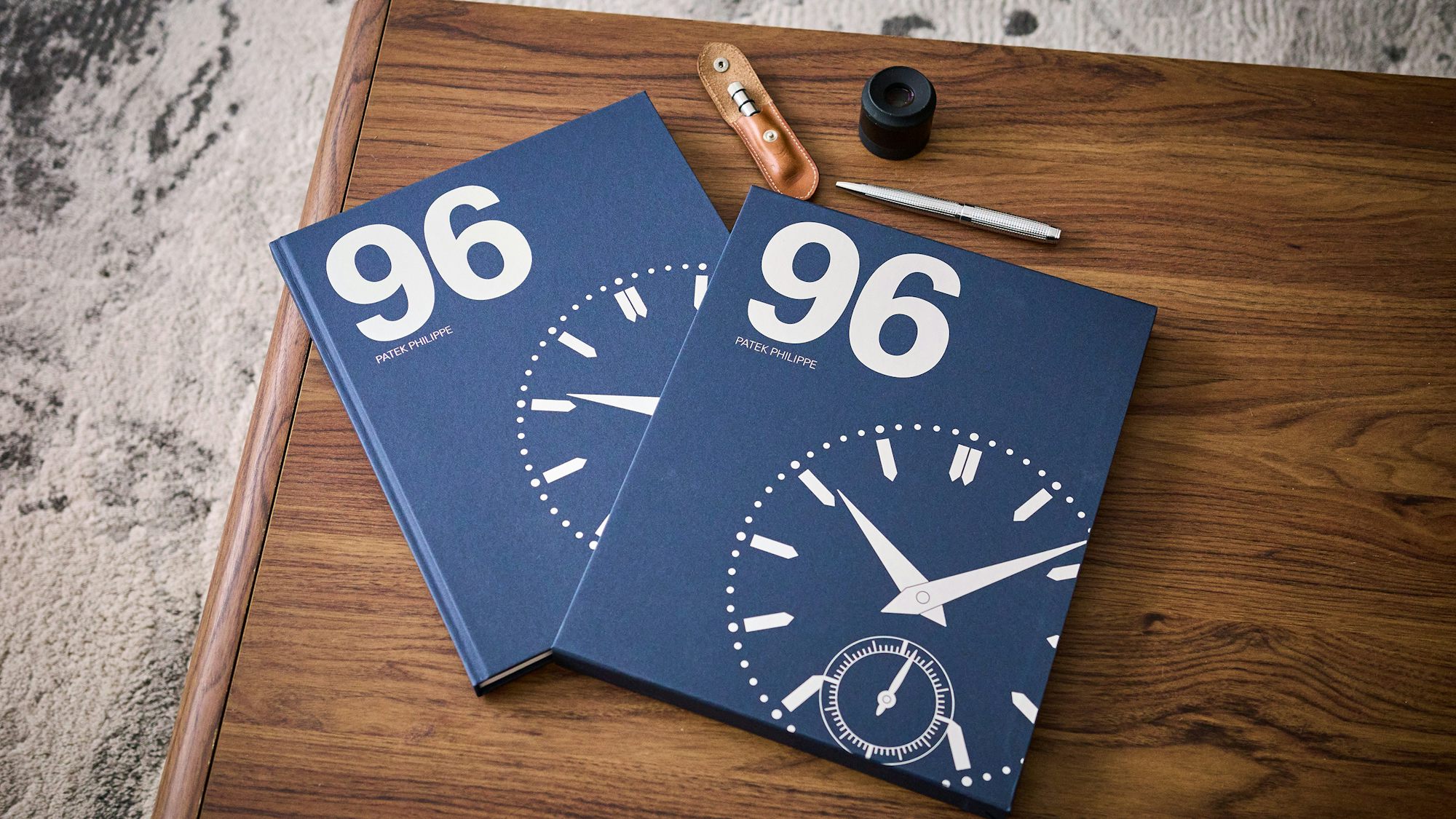
John Nagayama, widely regarded as the foremost authority on Patek Philippe's Reference 96, has released a reprinted edition of his definitive guide to the iconic dress watch. The book, simply titled "96," provides collectors with an essential reference for understanding one of the most important time-only watches in horological history.
What Makes Reference 96 Special
The Patek Philippe Reference 96, produced from 1932 to 1973, represents the framework and measuring stick for basically every dress watch that has come since. At 30.5mm—small by today's standards—the time-only Calatrava has become increasingly collectible, particularly as smaller watches have regained fashion favor. Recent interest, driven in part by social media personality Mike Nouveau on TikTok, has brought renewed attention to the reference and sent prices climbing.
From 1932 to 1973, Patek Philippe produced approximately 10,000 Reference 96 watches across four main series based on their movements, plus two center-second series. The reference offers an extraordinary range of variations: sector dials, retailer signatures, Breguet numerals, luminous indices, and six potential case materials including two-tone combinations.
Inside the Book
Nagayama breaks the book down into six chapters covering the four series of Reference 96 with subsidiary seconds, interspersed with two series of center-second movements. The book features some of the best examples sourced from collectors, friends, and past clients, showcasing everything from common configurations to ultra-rare variants.
Among the watches featured is one of only five known "observatory dial" Reference 96s, with a subdial at nine o'clock. The book also covers buckles, cases, and historical advertisements, providing context beyond the watches themselves.
"If you were just gawking at the watches, it would be enough to put the book down in disgust after a few pages of gratuitously attractive pieces," noted Hodinkee's Mark Kauzlarich in a review. "Nagayama has sourced great examples from collectors, friends, and past clients. But it's not just to show off; the book is a great reference, concise, and yet very educational."
Why Reference 96 Is a Minefield for Collectors
The Reference 96 has historically been considered one of the most difficult watches to collect with confidence. With hundreds of dial variations, six potential case materials, and decades of production, a great deal can go wrong when purchasing. An incorrect dial, a polished case, or a replacement component can dramatically affect both value and authenticity.
"The ref. 96 has been a minefield that I was afraid to walk into," admitted Hodinkee's reviewer. "You really have to know what you're buying, and next to bubblebacks, this is probably one of the hardest watches to comprehend at a glance. Which is where this book comes in."
The book helps collectors identify why certain variations command extreme premiums. A steel, black-dial, long-signature Reference 96, for example, can be worth $200,000 or more, while more common configurations trade for a fraction of that amount.
Japan's Role in Reference 96 Collecting
Nagayama, based in Tokyo, operates at the center of Reference 96 collecting. Japan has become a Mecca for small watch enthusiasts and Reference 96 obsessives, with Japanese collectors developing deep expertise and appreciation for the reference's nuances. Nagayama's personal collection includes pieces that rank among the rarest known examples, including one of five "observatory dial" variants signed for a private client.
The book reprint arrived after the original edition sold out, with 450 copies released and a small number still available at the time of publication. Copies can be purchased through Nagayama's website for approximately $250 plus shipping.
The Reference 96 Market in 2026
The renewed interest in Reference 96 watches reflects a broader trend toward smaller, more historically significant timepieces. While oversized watches dominated the market for much of the 2000s and 2010s, collectors are increasingly gravitating toward the proportions and elegance that defined dress watch design for much of the 20th century.
The Reference 96, with its clean lines, classical proportions, and extraordinary range of dial variations, sits at the intersection of historical significance and wearable design. For collectors willing to invest the time to understand the reference's complexities, it offers some of the most rewarding collecting experiences in all of horology.
Frequently Asked Questions
How many Patek Philippe Reference 96 watches were made?
Approximately 10,000 Reference 96 watches were produced between 1932 and 1973, spanning six movement series—four with subsidiary seconds and two with center seconds. The reference features hundreds of dial variations across multiple case materials.
What makes some Reference 96 watches worth $200,000?
Rarity, condition, and originality drive value. Steel-cased examples with black dials and long signatures are among the most valuable, as are sector dials, retailer-signed examples, and "observatory dial" variants with subdials at nine o'clock. Unpolished cases with original components command significant premiums.
Is the Nagayama book essential for Reference 96 collectors?
According to Hodinkee's review, the book is considered an essential guide for anyone serious about collecting Reference 96 watches. It provides the visual reference and educational context needed to navigate one of the most complex and rewarding areas of Patek Philippe collecting.
According to Hodinkee, August 2026. Book available through John Nagayama's website (onbehalf.jp) for approximately $250. The reprinted edition maintains the same content as the original with 450 copies released for sale.