Piaget Polo Minute Repeater: Ultra-Thin Chiming Complication Meets Sporty Design
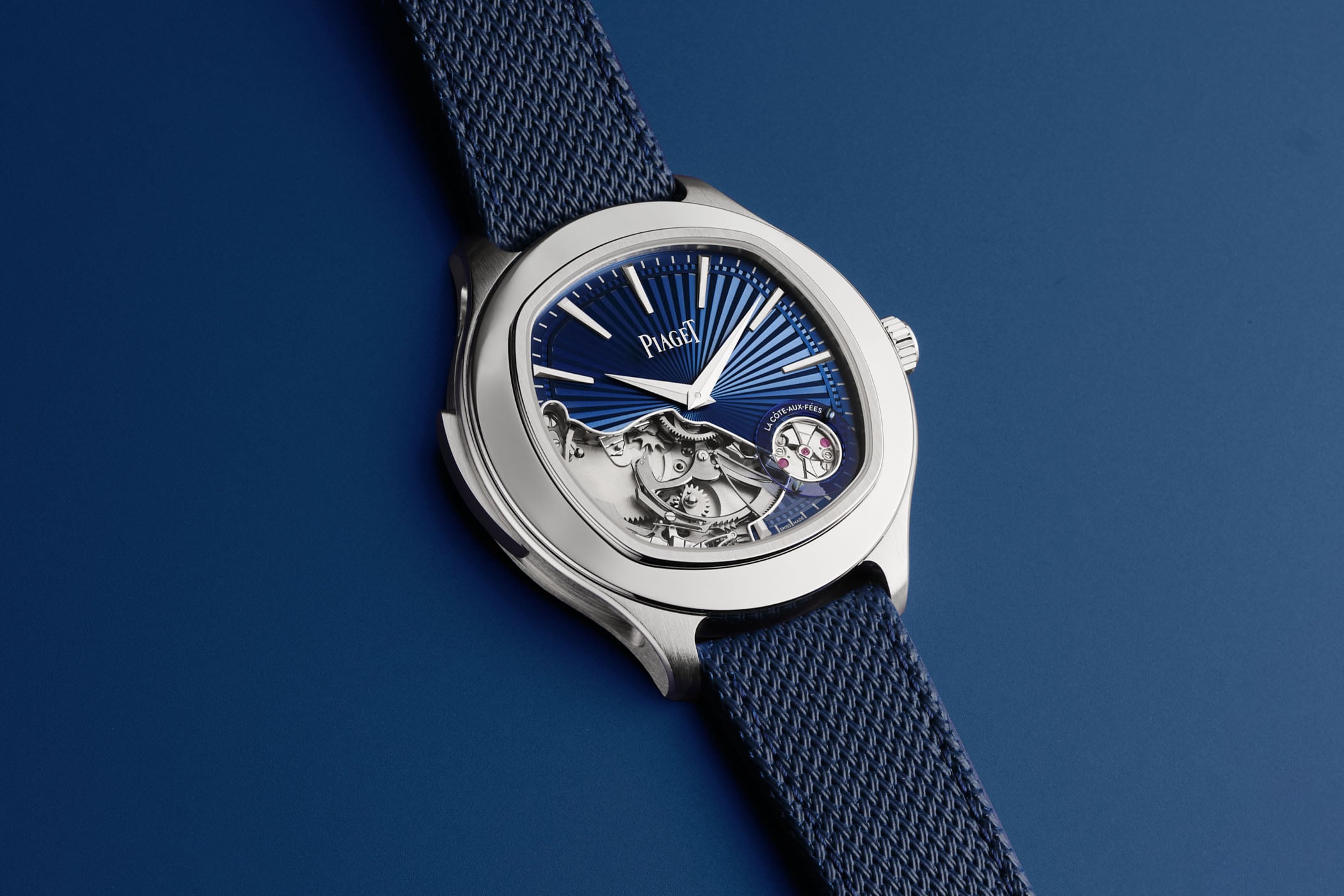
Piaget has expanded its sporty Polo collection with an openworked minute repeater, bringing the Maison's legendary ultra-thin chiming mechanism to a more casual format. The new Piaget Polo Minute Repeater was unveiled at Geneva Watch Days 2026, marking a significant milestone for the brand's ongoing commitment to combining high complications with wearable design.
Heritage of Ultra-Thin Watchmaking
Founded in 1874 by Georges-Edouard Piaget in La Cote-aux-Fees, the Maison has long built its watchmaking reputation on a combination of ultra-thin movements and decorative techniques. Piaget's expertise in high-precision movements before making ultra-thin mechanical calibers one of its defining specialities has now extended to major complications, including the tourbillon, chronograph, and minute repeater.
The Polo collection, introduced in 1979, represents Piaget's vision of a luxury sports watch that bridges the gap between formal elegance and casual sophistication. Adding a minute repeater to this line demonstrates the brand's confidence in its technical capabilities.
Technical Specifications
| Specification | Detail |
|---|---|
| Brand | Piaget |
| Model | Polo Minute Repeater |
| Complication | Minute Repeater with Openworked Dial |
| Movement | Ultra-Thin Manual-Winding |
| Case Material | Stainless Steel |
| Dial | Openworked |
| Availability | 2026 |
Openworked Architecture
The openworked dial of the Piaget Polo Minute Repeater provides a window into the mechanical heart of the watch. The chiming mechanism — one of the most complex complications in watchmaking — is visible through the skeletonized bridges, allowing the wearer to appreciate the intricate dance of hammers and gongs that produce the minute repeater's characteristic sound.
Minute repeaters are among the most revered complications in horology. They chime the hours, quarters, and minutes on demand, traditionally using small hammers that strike tuned gongs within the case. The acoustic quality of a minute repeater is determined by the case material, movement architecture, and the skill of the watchmaker in tuning the gongs.
Piaget's Position in High Horology
Piaget's ability to house an ultra-thin minute repeater within the Polo's sporty frame speaks to the brand's technical prowess. The Maison has consistently pushed the boundaries of what is possible in slim watchmaking, holding numerous records for the thinnest movements in various categories.
The combination of a minute repeater with an openworked dial in the Polo collection also reflects a broader trend in luxury watchmaking: the desire to showcase mechanical complexity in increasingly wearable formats. No longer reserved for dress watches in precious metals, high complications are finding homes in sportier, more versatile packages.
Market Context
The introduction of the Polo Minute Repeater comes at a time when the high-end watch market continues to show strong demand for complicated timepieces. Collectors increasingly seek watches that combine technical excellence with everyday wearability — a niche that Piaget has been cultivating for decades.
FAQ
Q: What is a minute repeater complication?
A: A minute repeater is a complication that chimes the time on demand using small hammers and gongs. It typically sounds the hours, quarter-hours, and individual minutes.
Q: How does the Piaget Polo Minute Repeater differ from traditional minute repeaters?
A: Unlike traditional minute repeaters housed in formal dress watches, Piaget has integrated this complication into its sporty Polo collection, making it more versatile for everyday wear.
Q: What is Piaget's reputation in ultra-thin watchmaking?
A: Piaget is widely regarded as one of the world's leading ultra-thin watchmakers, with numerous records for the thinnest movements across various complication categories.
According to Monochrome Watches, this release demonstrates Piaget's continued leadership in ultra-thin complications. For more on watch complications, visit our complications explained guide.