
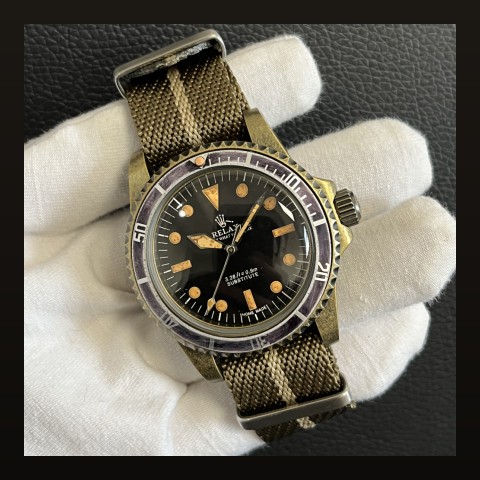
Richard Mille's Material Science Revolution in Watchmaking
Beyond Traditional Materials
Richard Mille has pioneered the use of advanced materials in watchmaking, drawing inspiration from Formula 1 racing, aerospace engineering, and cutting-edge material science. This approach has set the brand apart in an industry traditionally dominated by precious metals and steel.
Key Material Innovations
TPT® Carbon (Thin Ply Technology)
Developed exclusively for Richard Mille with NTPT (North Thin Ply Technology), TPT® Carbon consists of multiple layers of carbon fiber sheets, each just 45 microns thick. These layers are arranged at 45-degree angles and heated to 120°C under 6 bar pressure, creating:
- Unique visual patterns on every watch (no two are identical)
- Exceptional resistance to micro-cracks
- Superior shock absorption properties
- Significant weight reduction compared to traditional materials
Carbon Nanofiber
Used for baseplates and bridges, carbon nanofiber offers:
| Property | Carbon Nanofiber | Traditional Brass |
|---|---|---|
| Density | 1.5 g/cm³ | 8.5 g/cm³ |
| Tensile Strength | 3,500 MPa | 310 MPa |
| Thermal Stability | Excellent | Moderate |
Graphene
Introduced in the RM 50-03 McLaren F1, graphene-enhanced composites provide:
- 200 times stronger than steel
- Enhanced thermal conductivity
- Material Selection: Raw materials sourced from specialized aerospace suppliers
- Lamination: Precise layering of material sheets at calculated angles
- Compression: High-pressure, high-temperature molding
- CNC Machining: Computer-controlled cutting with diamond-tipped tools
- Hand Finishing: Manual beveling and polishing by master craftsmen
- Weight Reduction: Watches can weigh as little as 14 grams (RM 67-01)
- Shock Resistance: Models withstand forces up to 5,000 Gs
- Chronometric Precision: Advanced materials improve movement stability
- Durability: Superior resistance to scratches, corrosion, and UV degradation
- Competitors now explore advanced composites
- Material science has become a key differentiator in luxury watches
- The brand holds multiple patents for watchmaking applications
- Patek Philippe Calatrava 6007G: A Casual Twist on a Classic
- How to Build a Watch for Scuba Diving: Professional Guide
- Watch Case Back Material Fatigue Quantum Decoherence Exposure Guide
- Watch Movement Decoration: Cotes de Geneve vs Perlage
- What Is a Watch Crystal Coating Durability Guide
- Watch Case Back Material Fatigue Quantum Chromodynamics V16 Exposure Guide
Manufacturing Process
The creation of Richard Mille's advanced material components follows a meticulous process:
Performance Benefits
Richard Mille's material innovations deliver tangible performance advantages:
Frequently Asked Questions
Is TPT® Carbon the same as regular carbon fiber?
No. TPT® Carbon uses thinner plies (45 microns vs. standard 100-200 microns) and独特的排列方式,创造出品牌特有的纹理图案。
How does Richard Mille test its materials?
Components undergo rigorous testing including 10,000-hour aging tests, thermal cycling from -40°C to +80°C, and vibration testing simulating extreme conditions.
Are these materials hypoallergenic?
Yes. Richard Mille's advanced materials are biocompatible and suitable for sensitive skin, unlike some traditional watch alloys.
Industry Influence
Richard Mille's material innovations have influenced the broader watch industry:
Sources: NTPT official documentation, Richard Mille technical specifications, Watch industry technical journals
Explore more about watch technology in our technology guide or browse our Richard Mille collection.