Sapphire Crystal Technology in 2026: Why Synthetic Sapphire Dominates Modern Watchmaking
The Rise of Synthetic Sapphire in Watchmaking
Synthetic sapphire crystal has become the gold standard for watch faces worldwide, measuring an impressive 9 on the Mohs hardness scale — just below diamond. Originally introduced in luxury timepieces during the 1960s, sapphire crystals have evolved from an expensive rarity to a common feature even in mid-range and microbrand watches. The material is created through the crystallization of pure aluminium oxide under extreme heat, producing a surface that is virtually scratch-proof under normal daily wear.
How Brands Are Innovating with Sapphire
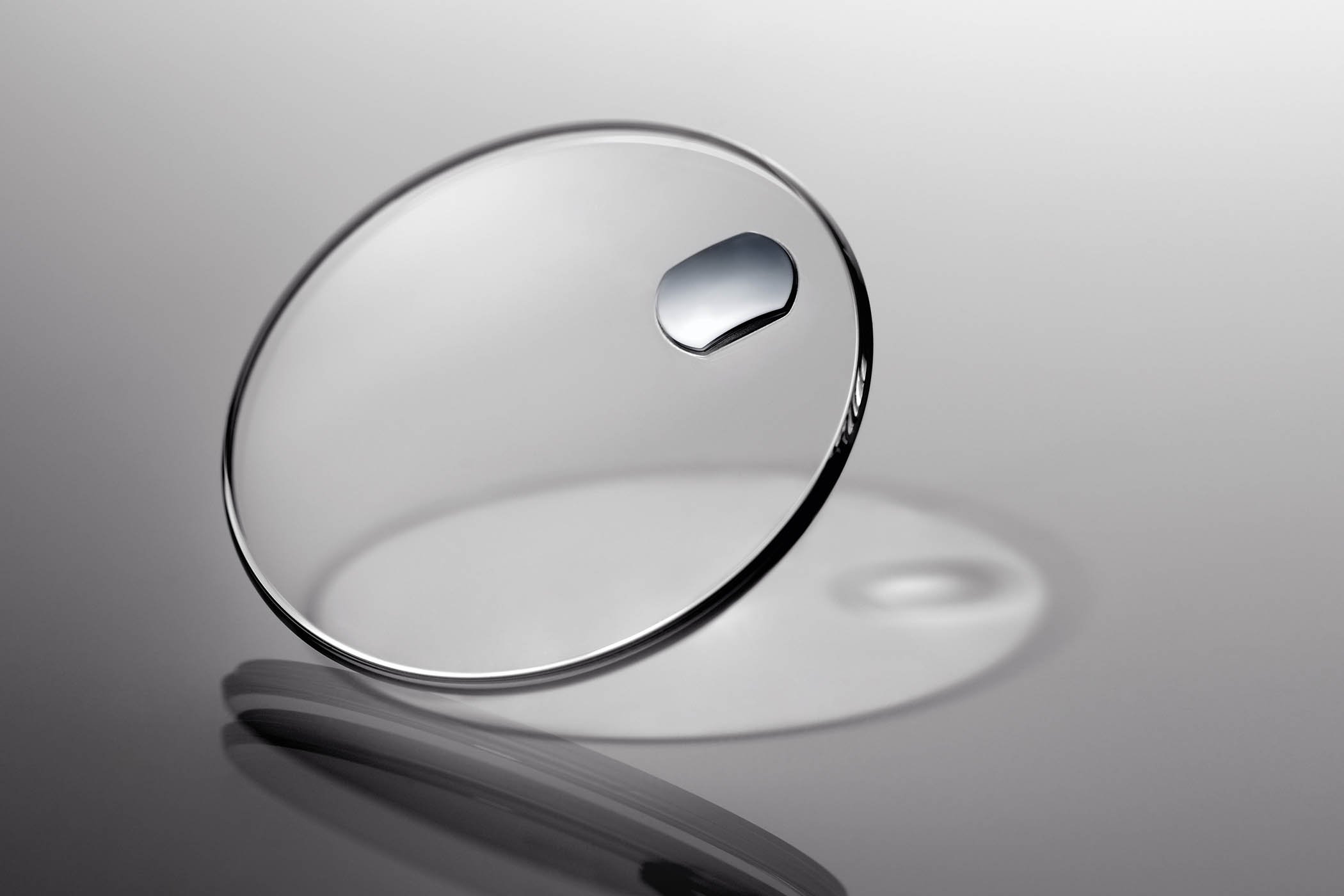
Modern watchmakers have pushed sapphire far beyond simple flat crystals. Today, manufacturers produce domed, box-shaped, and faceted sapphire crystals that mimic the warm aesthetics of vintage acrylic while maintaining superior scratch resistance. Casio's Oceanus Manta collection, for example, features sapphire crystal bezels with 48 spiral facets inspired by ocean waves, achieved through gradation vapor deposition that creates stunning blue color transitions.
Hublot has taken sapphire innovation even further with full sapphire cases and bracelets in their Big Bang Integral Sapphire line, creating watches that almost disappear on the wrist. Jacob & Co. utilizes full sapphire cases in the Astronomia collection, allowing unobstructed views of triple-axis tourbillon movements. These developments demonstrate that sapphire is no longer just a protective cover but a core design element.
Crystal Comparison at a Glance
| Material | Mohs Hardness | Scratch Resistant | Shatter Proof | AR Coating Needed | Typical Price Range |
|---|---|---|---|---|---|
| Sapphire Crystal | 9 | Excellent | No | Yes | $500 - $50,000+ |
| Mineral Glass (K1) | 5-7 | Good | No | Rarely | $50 - $500 |
| Acrylic (Hesalite) | 3 | Poor | Yes | No | $20 - $200 |
| Gorilla Glass | 6-7 | Good | Partial | Sometimes | $100 - $1,000 |
The Anti-Reflective Coating Challenge
While sapphire excels in hardness, its high reflectivity necessitates anti-reflective (AR) coatings applied via physical vapour deposition (PVD). These coatings can be applied to inner or outer crystal surfaces, though outer coatings are prone to scratching since they lack the hardness of the underlying sapphire. This remains one of the few practical disadvantages compared to mineral glass, which naturally exhibits lower reflectivity.
The iconic "blue effect" seen on many watch crystals is actually the result of AR coating, which minimizes yellow and red reflections while allowing blue wavelengths to reflect. High-end manufacturers often apply double-sided AR coatings to maximize legibility in all lighting conditions.
Looking Ahead: Gorilla Glass and Beyond
Corning's Gorilla Glass, originally developed for smartphones at Steve Jobs' request, is emerging as a potential alternative for traditional watch crystals. While not as scratch-resistant as sapphire, Gorilla Glass offers improved durability over standard mineral glass and has proven viable in smartwatches from Apple and Samsung. US-based Vortic Watches has already demonstrated Gorilla Glass as a cost-effective crystal option in their 3D-printed wristwatch cases, suggesting future adoption by mainstream brands.
Frequently Asked Questions
Q: Can sapphire crystal be polished to remove scratches?
A: No. Unlike acrylic crystals, sapphire cannot be polished to restore its surface. A damaged sapphire crystal must be completely replaced, which can be costly depending on the watch model and crystal shape.
Q: Is sapphire crystal truly scratch-proof?
A: While sapphire rates 9 on the Mohs scale, it is not completely scratch-proof. Only diamond (10 on the Mohs scale) can reliably scratch sapphire. However, significant impacts can cause sapphire to crack or shatter, as the material is somewhat brittle.
Q: Why do some luxury watches still use acrylic crystals?
A: Brands like Omega continue using acrylic (Hesalite) for watches like the Speedmaster Moonwatch because it offers a warm, vintage aesthetic, is shatter-proof (critical for NASA space missions), and can be polished to remove surface scratches. The material also avoids the high reflectivity issues of sapphire.
Related Reading
Explore our comprehensive watch buying guide to learn more about selecting the perfect timepiece. Browse our sapphire crystal watch collection for the latest models featuring premium crystal technology.
Sources: Monochrome Watches "The ABCs of Time: All About the Different Crystals Used in Watches Today" (December 2025); aBlogtoWatch "Casio Oceanus Manta Watches With Sapphire Crystal Bezels" (July 2023); Worn & Wound Hublot MP-15 Tourbillon Sapphire Rainbow coverage (October 2024).