Zenith El Primero: The Complete History of the World's First High-Frequency Automatic Chronograph
The Legend That Almost Died
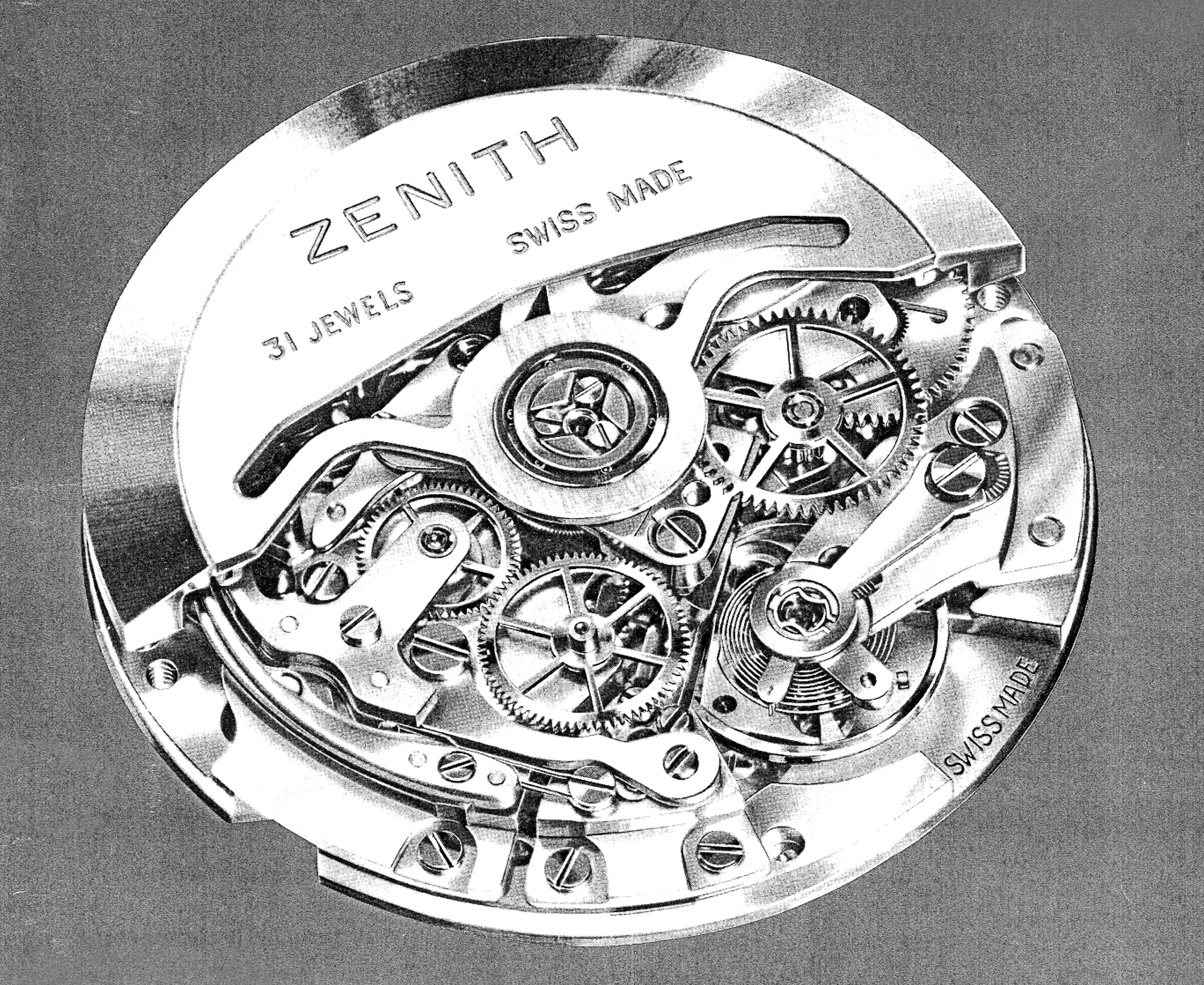
The Zenith El Primero stands as one of the most significant mechanical chronograph movements ever created. Launched on January 10, 1969, it was the world's first automatic chronograph calibre operating at a high frequency of 36,000 vibrations per hour — a record that remains unmatched in its original form to this day.
Birth of a Movement: 1962-1969
The story begins in 1962, when Zenith management began planning the company's upcoming 100th anniversary in 1965. The best way to celebrate? Create the world's first automatic chronograph. President Jean-Pierre de Montmollin approved the idea, and in 1963, research and development began under the leadership of Raoul Pellaton at Les Ponts-de-Martel.
The project drew heavily on Zenith's acquisition of the Martel Watch Company, completed in 1966. Martel had been a long-time supplier of chronograph movements to Universal Genève since 1918, giving Zenith invaluable expertise in chronograph construction.
Technical Breakthroughs That Changed Watchmaking
The El Primero's development required solving two critical engineering challenges. First, the introduction of the Clinergic 21 escapement in 1966 — featuring 21 teeth instead of the previous 15 — enabled movements to operate at 4Hz or 5Hz frequencies. Second, the problem of lubrication at high speeds was solved with a specially developed dry lubricant.
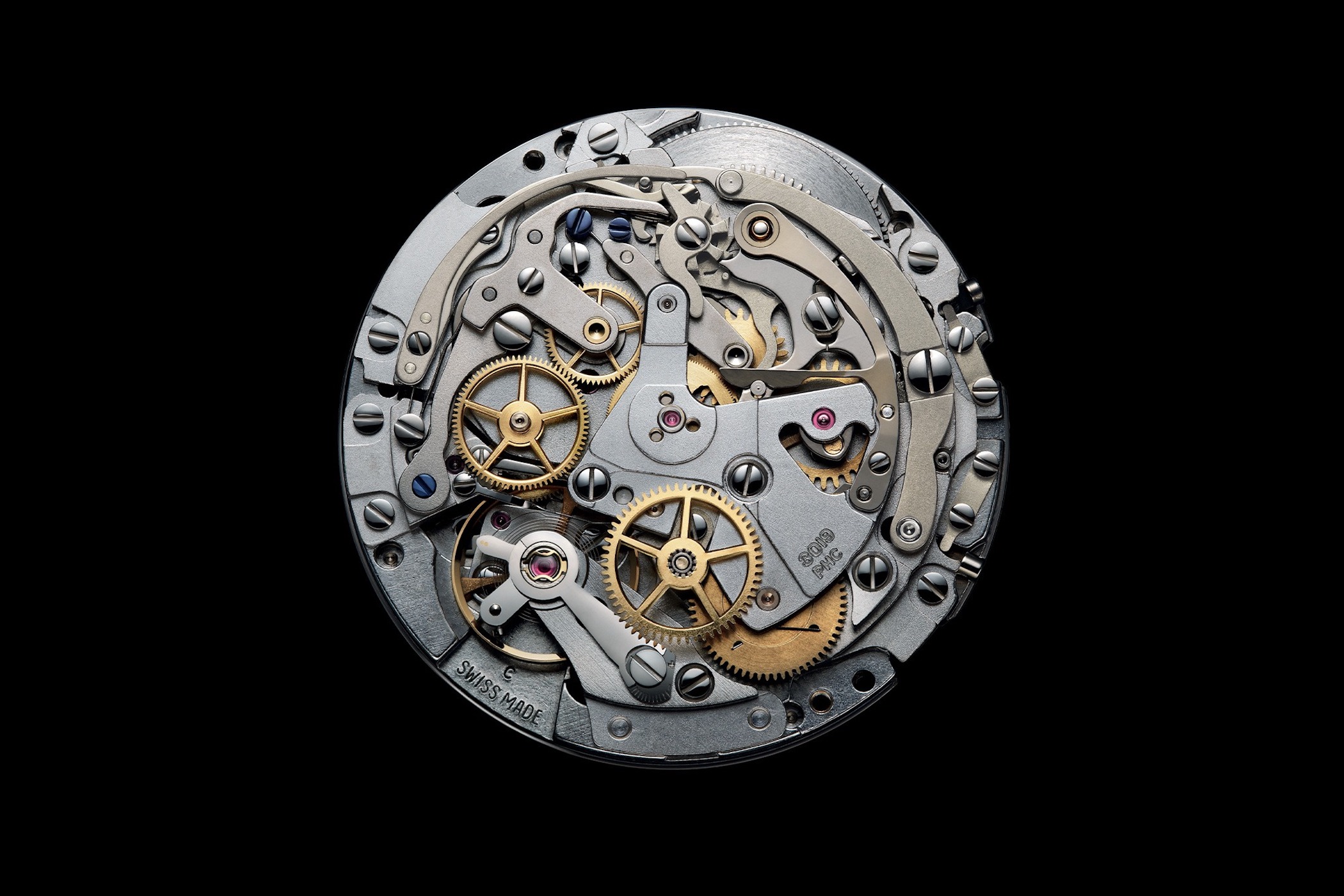
| Specification | El Primero 3019 PHC | Breitling Calibre 11 | Seiko Calibre 6139 |
|---|---|---|---|
| Frequency | 36,000 vph (5Hz) | 19,800 vph (2.75Hz) | 21,600 vph (3Hz) |
| Thickness | 6.5mm | 7.7mm | 7.9mm |
| Components | 282 | 198 | 185 |
| Power Reserve | 50+ hours | 42 hours | 45 hours |
| Chronograph Precision | 1/10th second | 1/5th second | 1/5th second |
| Winding | Integrated automatic | Microrotor | Central rotor |
When finally unveiled on January 10, 1969, the El Primero calibre 3019 PHC was a revelation. At just 6.5mm thick, it housed 282 components including 12-hour and 30-minute chronograph counters, date indication, and a 50-hour power reserve — all beating at 36,000 vibrations per hour.
The Charles Vermot Rescue
In 1971, Zenith was acquired by Chicago-based Zenith Radio Corporation. US management eventually lost faith in mechanical watchmaking and decided to halt production in 1975. In 1976, the decision was made to sell all metal presses and tools as scrap.
Enter Charles Vermot, the workshop manager who refused to accept the death of the El Primero. With his brother Maurice, he secretly transported approximately 150 presses, cams, cutting tools, and manufacturing plans through a back passage and up 50 steps to an isolated attic store, where he built a wall to hide everything.
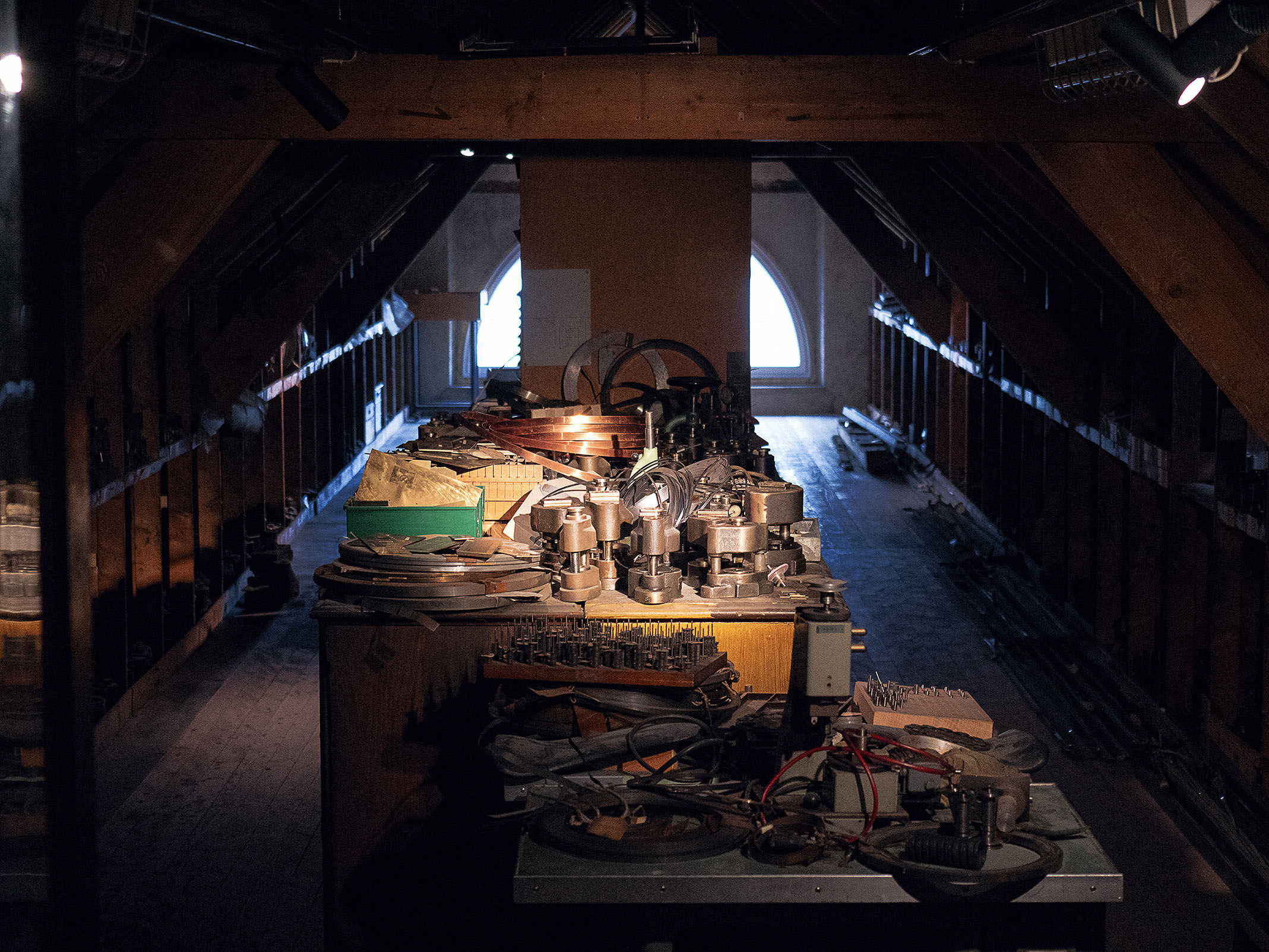
This clandestine preservation would prove to be one of the most consequential acts in modern watchmaking history.
Rolex and the El Primero Revival
In the early 1980s, Rolex came seeking a movement for the Daytona. Pierre-Alain Blum, president of Ebel, had stumbled upon unfinished El Primero movements and used them in Ebel chronographs. A ten-year contract was signed in 1984, tasking Zenith with producing El Primero movements for Rolex.
The first El Primero-equipped Daytonas (ref. 16520) were unveiled in 1988, with approximately 200 modifications made to the movement. The date mechanism was removed, the operating frequency was reduced to 28,800 vph, and a Breguet overcoil balance spring replaced the flat spring. Zenith designated this modified version as calibre 4030.
Modern Evolution: Calibre 3600
To celebrate the 50th anniversary in 2019, Zenith unveiled the calibre 3600 — a new generation El Primero focused on production optimization. Key features include:
- Integrated flyback chronograph with column wheel and lateral clutch
- Measurement precision to 1/10th of a second
- Stop-second mechanism for precise time setting
- 60-hour power reserve (up from 50 hours)
- Reduced component count for easier servicing
Today, the El Primero family comprises nearly 100 calibre variants, powering timepieces across the LVMH watch division including Bulgari, TAG Heuer, Hublot, and even Louis Vuitton. The movement also served as the foundation for Panerai's OP IV and OP VI calibres.
FAQ
What makes the El Primero special compared to other chronograph movements?
The El Primero operates at 36,000 vibrations per hour (5Hz), which is significantly higher than the standard 28,800 vph (4Hz) found in most modern chronographs. This higher frequency enables the movement to measure time to 1/10th of a second and produces a noticeably smoother sweep of the chronograph seconds hand.
How many Rolex Daytonas were powered by the El Primero?
The El Primero-powered Rolex Daytona (ref. 16520) was produced from 1988 to 2000, with an estimated 250,000 units manufactured during the 12-year production run. Rolex used Zenith's calibre 4030 (modified from the El Primero 3019 PHC) as their first automatic Daytona movement.
Is the modern El Primero still the same movement as the 1969 original?
The modern calibre 3600 shares the same fundamental DNA — high frequency, integrated chronograph, column wheel — but has been significantly refined. The power reserve increased from 50 to 60 hours, component count was reduced, and a stop-second mechanism was added. The essential 36,000 vph frequency remains unchanged.
Source: According to Monochrome Watches and aBlogtoWatch.
Explore our complete watch buying guide for more expert horological insights.