3D-Printed Watch Cases: Custom Builds from Scratch
3D-Printed Watch Cases: The Future of Custom Builds?
A small but growing number of modders are using 3D-printed titanium and stainless steel cases to create watches that no aftermarket supplier offers. The technology, once restricted to prototyping labs, is now accessible through online printing services for as little as $50–100 per case — and the results are surprising the community.
How It Works
- Design — builders create cases in CAD software (Fusion 360, Tinkercad) or modify existing designs
- Print — online services (Shapeways, Xometry, JLC3DP) print in titanium, stainless steel or brass
- Finish — post-processing includes polishing, brushing or bead-blasting
- Assembly — standard NH-series movements and components fit if the design accommodates them
What Is Possible
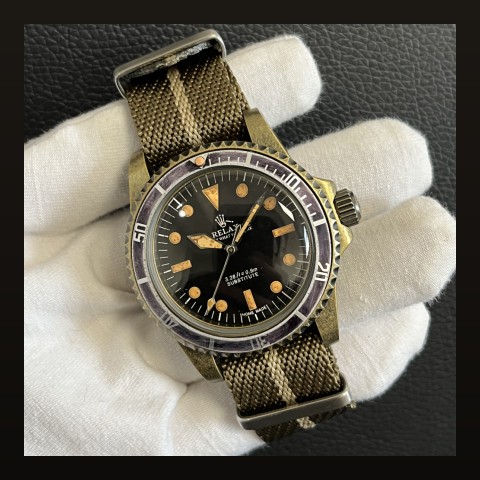
Early examples include cases inspired by vintage Seiko references that no longer exist, cases that accommodate larger movements in smaller profiles, and completely original designs that share nothing with existing watches. The most ambitious project to date: a 36mm titanium diver with 300m water resistance, designed and printed entirely at home.
The Limitations
- Water resistance — 3D-printed cases rarely achieve reliable water resistance without professional finishing and testing
- Precision — print tolerances are looser than CNC machining; some components need hand-fitting
- Cost per unit — one-off prints are expensive; only economical for unique designs
- Legal grey zone — cases with brand logos risk trademark issues
Community Reception
The modding community is cautiously enthusiastic. Purists argue that watchmaking demands machined precision; enthusiasts see 3D printing as the natural next step in customization. The technology is unlikely to replace CNC-machined aftermarket cases — but it opens doors that were previously closed to individual builders.
Getting Started
Start with a simple bezel or chapter ring before attempting a full case. Learn the design constraints: crystal seat dimensions, gasket grooves, movement ring tolerances. The compatibility checklist applies to printed cases just as it does to purchased ones: compatibility checklist.