Tropical Dials: Why Faded Means Valuable
The Tropical Dial Phenomenon
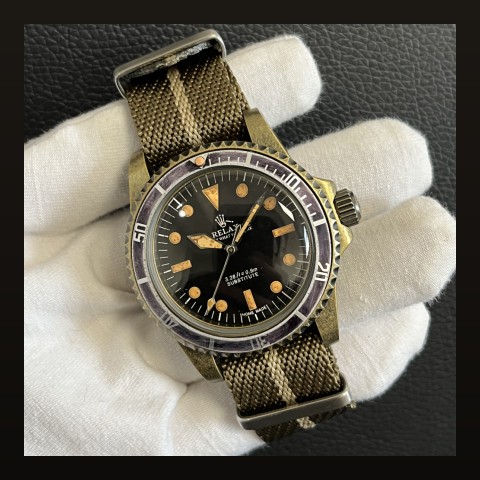
Tropical dials — vintage watches whose dials have faded to unique colors through age and UV exposure — are among the most collectible variations in watch collecting.
What Causes Tropical Fading
- UV exposure: sunlight breaks down dial pigments over decades
- Heat: accelerates the fading process
- Humidity: interacts with UV to create unique color shifts
What Tropical Dials Look Like
| Original Color | Tropical Result |
|---|---|
| Black | Brown, chocolate, faded grey |
| Blue | Purple, grey-blue, lavender |
| Green | Teal, grey-green, olive |
Why They Command Premiums
Each tropical dial is unique — no two fade identically. This unreplicability makes them highly prized by collectors. The same watch with original black dial and tropical brown dial can differ in value by 50-100%.
The Ethical Question
Some sellers artificially age dials to simulate tropical patina. This is considered deceptive in the collector community. Authentic tropical fading shows natural, uneven patterns; artificial aging often looks too uniform.
Frequently Asked Questions
Can I create tropical patina?
Artificial aging exists but is considered deceptive in the collector market. Natural patina takes decades.
Do tropical dials affect accuracy?
No — the fading is cosmetic only. The movement underneath is unaffected.
Are tropical dials rare?
Yes — only watches exposed to specific conditions develop genuine tropical patina.