Bezels Explained: The Ring That Does More Than Frame
The Ring Around the Crystal
The bezel is one of the most functional and visually prominent parts of a watch. It can measure elapsed time, track a second time zone, or simply define the watch's character. Here are the main types.
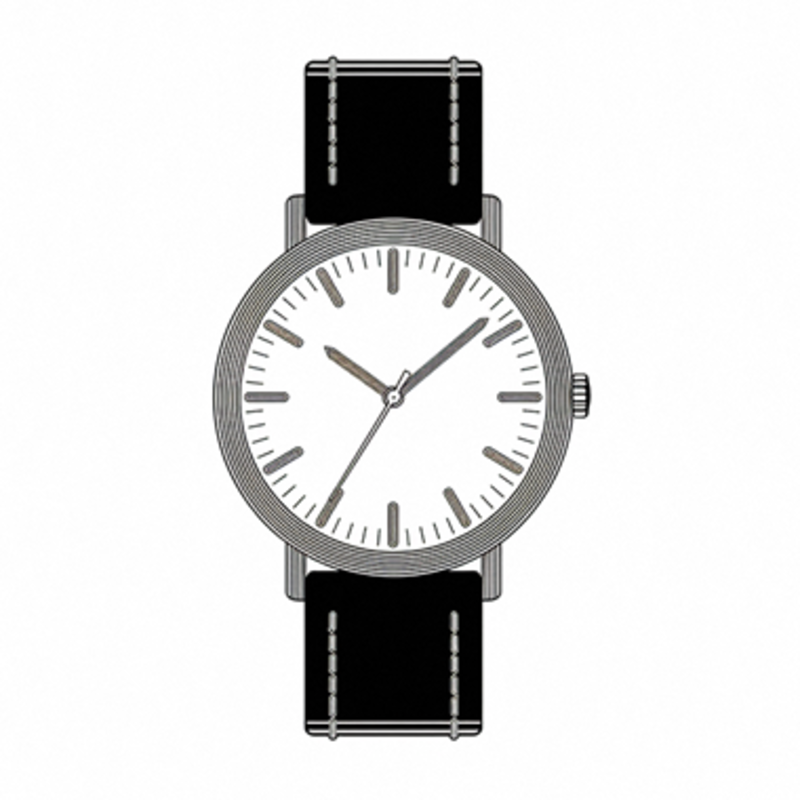
Fixed Bezel
Does not move. Purely decorative or carrying a tachymeter scale. The most common bezel type on dress watches.
- Function: aesthetic frame for the crystal
- Our examples: most dress builds
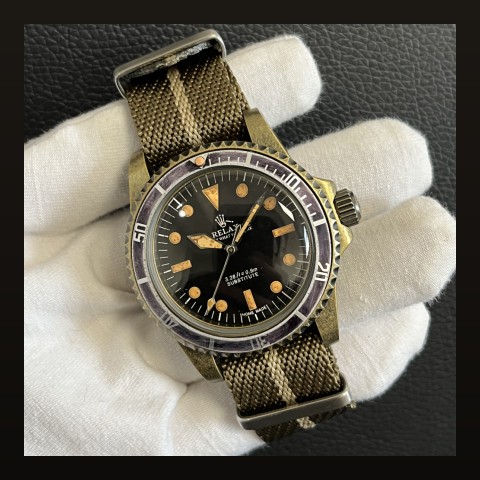
Unidirectional Rotating
Turns counterclockwise only — the safety standard for dive watches. If knocked accidentally, it can only understate elapsed time, never overstate it.
- Function: elapsed time tracking for diving
- Our examples: all Sub collection watches
Bidirectional Rotating
Turns both ways — used on GMT watches to track a third time zone against the GMT hand. Also used on some dress-oriented sports watches.
- Function: GMT reference, compass bearing
- Our examples: all GMT watches in the GMT collection
Tachymeter
Fixed bezel with a numbered scale for measuring average speed between two points. Works with the chronograph: start at point A, stop at point B, the chronograph hand points to average speed on the scale.
Bezel Materials
| Material | Scratch Resistance | Weight | Vibe |
|---|---|---|---|
| Aluminum | Moderate | Light | Vintage, fades nicely |
| Ceramic | Excellent | Moderate | Modern, vivid colors |
| Sapphire | Excellent | Light | Premium, glossy |
| Carbon fiber | Very good | Lightest | Technical, motorsport |
| Steel | Good | Heaviest | Tool watch, durable |
Frequently Asked Questions
Why unidirectional for diving?
Safety — accidental rotation can only show less elapsed time, preventing overstaying air supply.
Can bezel inserts be swapped?
Yes on many watches — requires a bezel press tool. See our tool kit guide.
Which material fades best?
Aluminum — it develops character over years. Ceramic does not fade.