Watch Case Materials: Steel, Titanium, Bronze and Beyond
Beyond Stainless Steel
Steel cases dominate the market for good reason: tough, affordable, well-understood. But the case material you choose affects weight, warmth, scratch behavior and how the watch ages. Here is a practical comparison of the materials you will encounter.
Stainless Steel (316L)
The default for a reason: excellent corrosion resistance, takes polishing and brushing beautifully, affordable. 316L surgical steel is hypoallergenic for most people.
- Weight: solid, noticeable
- Scratches: visible but buffable
- Our range: virtually everything — Black Sub NH35, Pepsi GMT, etc.
Titanium
40% lighter than steel, with a grey matte tone that looks purposeful rather than polished. Used in aerospace and medical implants.
- Weight: noticeably lighter — big advantage for large cases
- Scratches: softer than steel; scratches are more visible but patina nicely
- Cost: moderate premium over steel
Bronze
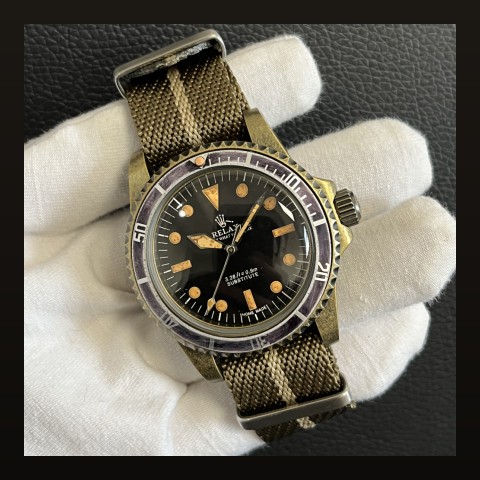
The living material. Develops unique patina based on your wear patterns. Full breakdown in our bronze ownership review.
- Weight: similar to steel
- Patina: the defining feature — every watch ages differently
- Our build: Vintage Bronze Watch
Ceramic
Nearly scratch-proof (8.5 on Mohs scale), lightweight, available in rich colors. Cannot be polished — when it scratches deeply, replacement is the only option.
Carbon Composite
Ultra-light, unique woven texture, absorbs vibration. Applied to bezels rather than full cases in most watches — see our carbon bezel builds.
Quick Comparison
| Material | Weight | Scratch Resistance | Patina Potential | Cost |
|---|---|---|---|---|
| 316L Steel | Standard | Good | Minimal | $$ |
| Titanium | Light | Moderate | No | $$$ |
| Bronze | Standard | Moderate | Yes — the point | $$ |
| Ceramic | Light | Excellent | No | $$$ |
| Carbon | Lightest | Good | No | $$$ |
Frequently Asked Questions
Which material for first watch?
Steel — it is the most versatile and forgiving for daily wear.
Titanium or steel for large watches?
Titanium — the weight savings matter more as case size increases.
Can ceramic crack?
It chips rather than scratches. Hard impacts can shatter; everyday wear rarely tests it.