Watch Tools: The Practical Side of Timepieces
Your Watch Doubles as a Tool
Beyond telling time, watches have historically served practical purposes. Some still do today.
Timing Events
Chronograph watches time cooking, workouts, parking meters and presentations. The chronograph remains the most practical complication for daily use.
Navigation
Before GPS, navigators used watches combined with sextants to determine longitude at sea. The marine chronometer was literally a life-or-death instrument. GMT watches carry this heritage.
Dive Timing
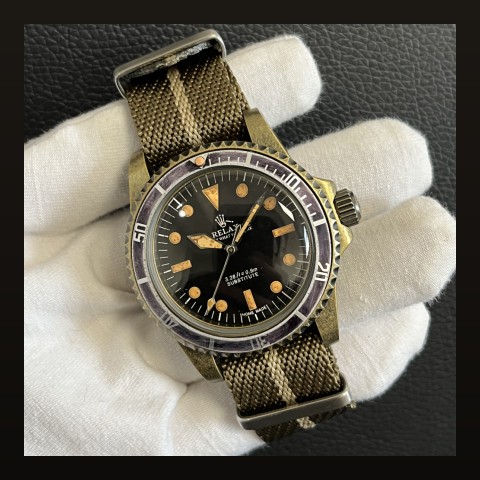
The rotating bezel on dive watches tracks elapsed dive time — still the primary safety tool for recreational divers, even with modern dive computers available.
Speed Calculation
Tachymeter bezels on chronographs calculate average speed between two points. Start the chronograph at mile marker A, stop at mile marker B — the chronograph hand points to average speed.
Current Uses
| Use | Watch Feature |
|---|---|
| Cooking timer | Chronograph |
| Parking timer | Rotating bezel |
| Second time zone | GMT hand |
| Day/night reference | AM/PM indicator or 24-hour hand |
| Fitness tracking | Chronograph with lap function |
Frequently Asked Questions
Are watches still practical tools?
For timing events, yes. For navigation and dive safety, dedicated devices have replaced them. But the watch remains the fastest way to check time and track a second time zone.
Best practical watch?
A chronograph on steel — timing function plus daily wear. See our VK63 guide.